International Sports Betting Trends Highlight Regulatory Adaptations in 2026

Markets for sports betting continue to expand across multiple continents as operators adapt to updated rules and consumer preferences shift toward mobile platforms, with June 2026 marking a period of heightened activity ahead of major international tournaments. Data from the American Gaming Association shows that commercial gaming revenue reached record levels in prior quarters, driven largely by sports wagering segments that now operate legally in over 30 U.S. states. Observers note steady integration of real-time data feeds that allow bettors to place wagers during ongoing matches in football, basketball, and tennis while regulatory frameworks in Canada and Australia refine licensing requirements to balance revenue generation with consumer protections.
Market Expansion Patterns Across Regions
North American jurisdictions report consistent quarterly increases in handle volumes, and figures from state gaming control boards indicate sports betting now accounts for a growing share of total gaming activity compared with earlier years. Australian operators have documented similar patterns where digital channels capture the majority of new accounts, particularly during periods when cricket and rugby seasons overlap with international events. European markets maintain established structures yet face adjustments in tax policies that influence operator margins, while emerging regions in Latin America introduce frameworks modeled on existing systems to attract licensed providers.
Key Sports Driving Activity
Football remains the dominant category worldwide because of its year-round calendar and extensive league structures that support both pre-match and in-play options. Basketball follows closely in North American and Asian markets where league schedules create frequent opportunities for accumulator bets. Tennis attracts attention during grand slam periods, and horse racing retains strong followings in the UK, Australia, and parts of the Middle East where dedicated tracks host regular meetings. Data indicates live betting now represents more than half of total sports wagers in many jurisdictions, a shift facilitated by faster settlement systems and enhanced streaming integrations.
Research from academic institutions tracking gambling behavior reveals that participation rates vary significantly by age group and device preference, with younger adults showing higher engagement through smartphone applications. Industry reports compiled by trade associations highlight that responsible gambling tools, including deposit limits and time-out features, see increased adoption rates as operators incorporate them into standard account setups.
Regulatory Developments and Compliance Measures
Authorities in multiple countries have introduced or revised licensing criteria that require operators to demonstrate robust age verification and anti-money laundering protocols before receiving approval. Canadian provinces continue to roll out provincial frameworks that differ in tax rates and product offerings, creating a patchwork environment operators must navigate carefully. Australian state regulators emphasize harm minimization strategies, and recent policy updates mandate clearer disclosure of odds and payout structures. These changes coincide with technological upgrades such as blockchain-based transaction logging that some providers test to improve transparency for oversight bodies.
Trade group analyses from organizations outside the UK document how taxation levels affect market competitiveness, noting that lower rates in certain jurisdictions correlate with higher reported operator numbers and increased advertising spend. Meanwhile, academic studies published through university research centers examine correlations between marketing exposure and betting frequency, providing evidence that informs upcoming rule adjustments expected later in 2026.
Technology Integration and Consumer Tools
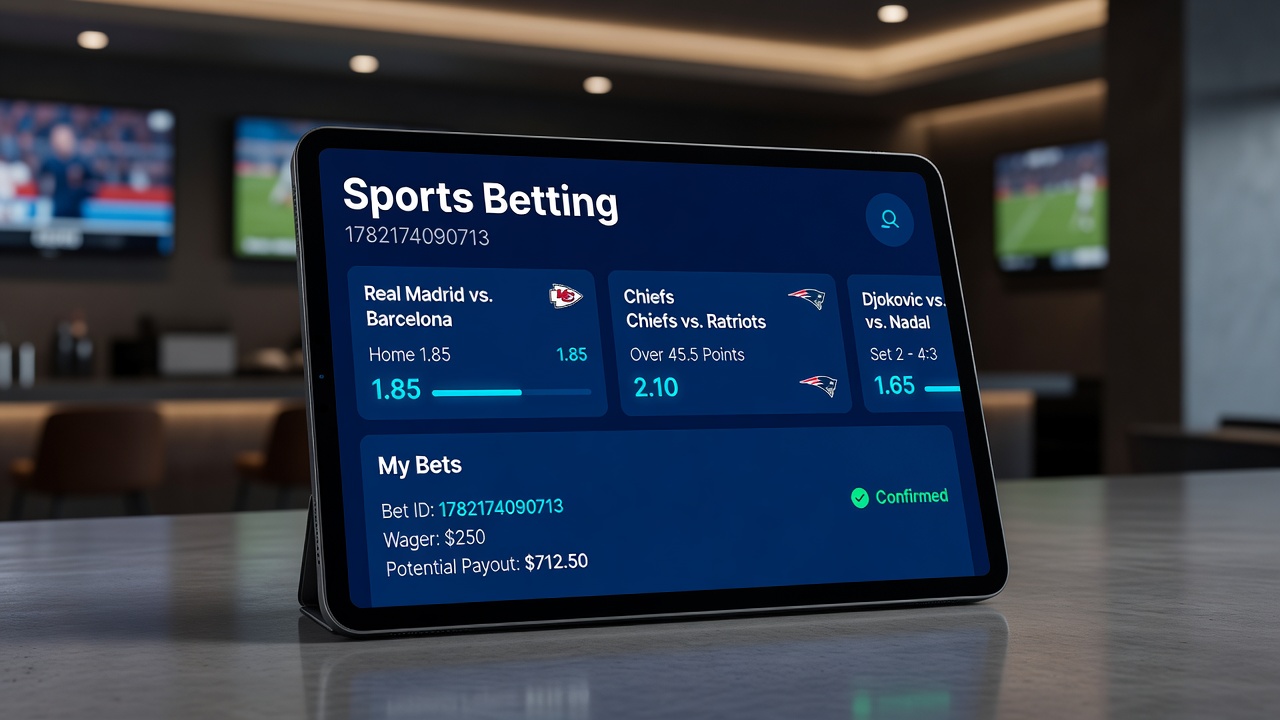
Artificial intelligence applications now assist in odds compilation and fraud detection, allowing platforms to adjust lines in real time based on betting patterns and external data sources. Mobile applications dominate user interfaces, incorporating features such as cash-out options and personalized notifications that keep participants engaged throughout events. Payment processing has diversified to include digital wallets and instant bank transfers, reducing friction for deposits and withdrawals while maintaining compliance with financial regulations in each operating territory.
Those who monitor industry metrics point out that partnerships between betting firms and sports leagues have grown, resulting in official data feeds that enhance accuracy for in-play markets. Such collaborations also support integrity programs aimed at identifying irregular betting activity that could signal match-fixing concerns, an area where international cooperation between regulators continues to strengthen.
Conclusion
Sports betting markets demonstrate ongoing adaptation through regulatory refinement, technological advancement, and shifting consumer habits as June 2026 approaches with its schedule of high-profile competitions. Information gathered from government agencies, trade associations, and research bodies across North America, Australia, and Europe illustrates a landscape where licensed operators balance expansion opportunities against compliance obligations. Continued monitoring of participation data and policy outcomes will shape how these markets evolve in subsequent periods.