Integrating Data Analytics into Selection Protocols for Equine Racing, Team Sports, and Racket Events

Data science has transformed how selectors evaluate candidates across equine racing, team competitions, and racket disciplines, with algorithms now processing vast datasets on biomechanics, historical performance, and environmental variables to inform decisions. Researchers at institutions like the University of Sydney have documented how machine learning models integrate GPS tracking, heart rate variability, and genomic profiles to rank horses for specific race distances, while similar techniques apply to scouting athletes in basketball or soccer leagues. Observers note that these methods reduce reliance on subjective scouting reports and instead emphasize quantifiable predictors of success.
Equine Event Selection Through Predictive Modeling
Horse racing selectors increasingly rely on neural networks trained on decades of race results, track conditions, and veterinary records to identify promising thoroughbreds for major events, with studies showing improved accuracy in predicting outcomes when models incorporate variables like stride length and recovery times after workouts. In June 2026, several European racing syndicates reported deploying updated platforms that combine satellite imagery of training facilities with real-time sensor data from wearables attached to horses, allowing for dynamic adjustments to selection pools ahead of seasonal competitions. Those who've analyzed these systems find that ensemble methods, which blend random forests with regression analysis, often outperform traditional handicapping by accounting for interactions between jockey experience and horse pedigree.
Genetic sequencing further refines equine choices, as programs at agricultural research centers map traits linked to endurance and speed, then cross-reference them against performance logs to exclude animals with higher injury risks. Data from Australian racing authorities indicates that such integrations have streamlined selection for events like the Melbourne Cup, where thousands of candidates get filtered through automated pipelines before final lineups emerge.
Team Sports and Athlete Evaluation Frameworks
Team-based events such as football and hockey apply data science to roster construction through clustering algorithms that group players by skill profiles derived from positional heatmaps and pass completion rates. Organizations like the Canadian Olympic Committee have funded projects examining how wearable technology captures acceleration patterns and fatigue indicators, feeding these into selection matrices that prioritize athletes whose metrics align with team tactical requirements. What's interesting is how these frameworks extend beyond individual stats to model interpersonal dynamics, using graph theory to simulate on-field interactions and identify combinations that maximize collective output.
Scouting departments now parse video feeds with computer vision tools to quantify defensive positioning and decision latency, creating datasets that selectors consult when narrowing international squads. Evidence from NCAA basketball tournaments reveals that programs employing these techniques achieve higher win rates in bracket play by matching player archetypes to opponent weaknesses identified through statistical modeling.
Racket-Based Disciplines and Performance Metrics
Tennis and badminton selectors utilize racket sensor data alongside court movement analytics to assess serve velocity trends and recovery angles, with models predicting match endurance under varying tournament schedules. Academic papers from European sports universities highlight how support vector machines classify player styles from point-by-point logs, enabling targeted selections for doubles pairings where complementary shot selections boost overall effectiveness. In June 2026, federations overseeing Grand Slam events began incorporating climate-adjusted simulations that factor humidity and surface wear into player readiness scores.
Biomechanical analysis plays a central role here, as motion capture systems generate three-dimensional reconstructions of strokes that algorithms then compare against elite benchmarks to flag developmental prospects. Those applying these tools across racket sports observe consistent patterns where early adoption of data pipelines correlates with more precise seeding decisions in junior circuits.
Cross-Disciplinary Data Integration
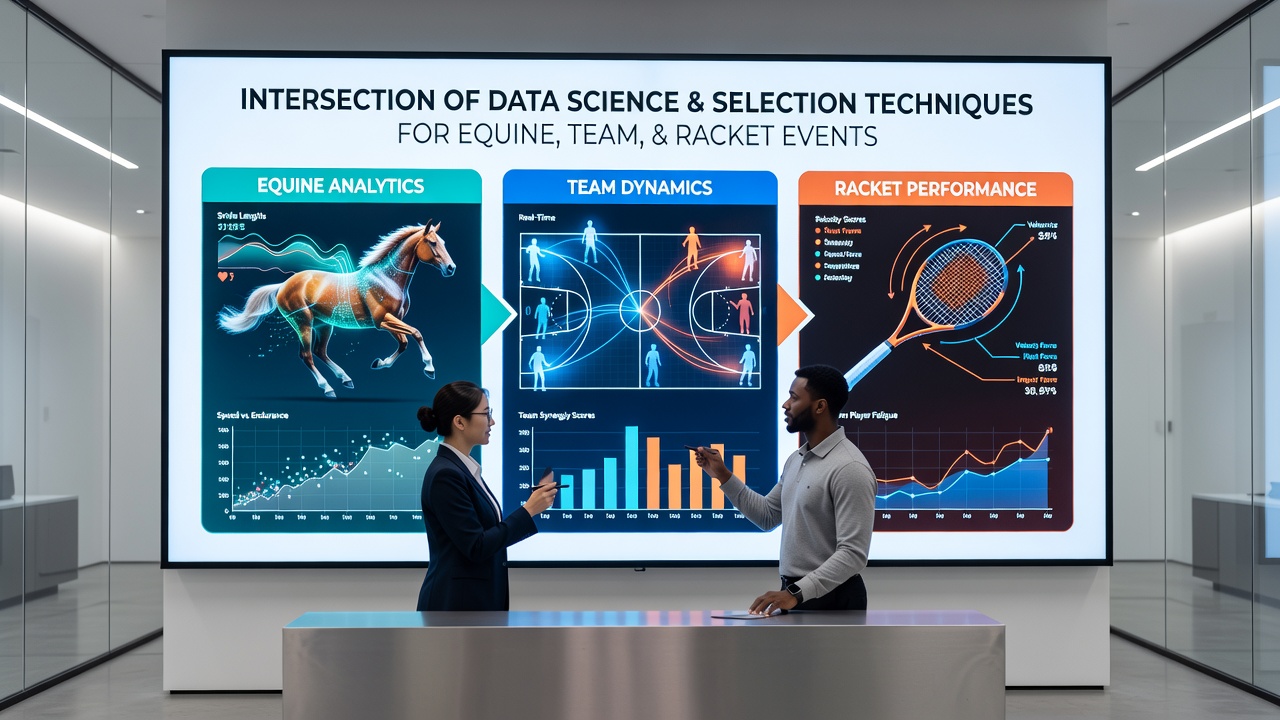
Selectors working across equine, team, and racket categories sometimes merge datasets through shared platforms that standardize metrics like power output and injury incidence, allowing comparative insights that reveal transferable principles such as load management protocols. Research published by the International Society of Sports Sciences demonstrates that hybrid models trained on combined corpora from multiple disciplines improve generalization when applied to emerging events, reducing overfitting to sport-specific quirks. Government agencies in New Zealand have supported pilot programs that test these unified approaches for multi-sport talent identification pipelines.
Challenges persist around data quality and interoperability, yet ongoing standardization efforts by industry consortia continue to address format inconsistencies between equine tracking systems and human athlete monitors. Figures from recent international conferences indicate rising adoption rates, with more federations allocating resources to interdisciplinary analytics teams.
Conclusion
Data science continues to refine selection techniques across these diverse event types by supplying objective layers to what were once primarily observational processes, and ongoing advancements in computational power promise further refinements in predictive precision. Organizations that integrate these tools report streamlined workflows, while academic and regulatory bodies track broader impacts on competitive equity and athlete welfare through longitudinal studies.