Exploring Cyclical Trends in Multi-Sport Accumulator Strategies Using Targeted Incentives for Football, Equine, and Racket Competitions
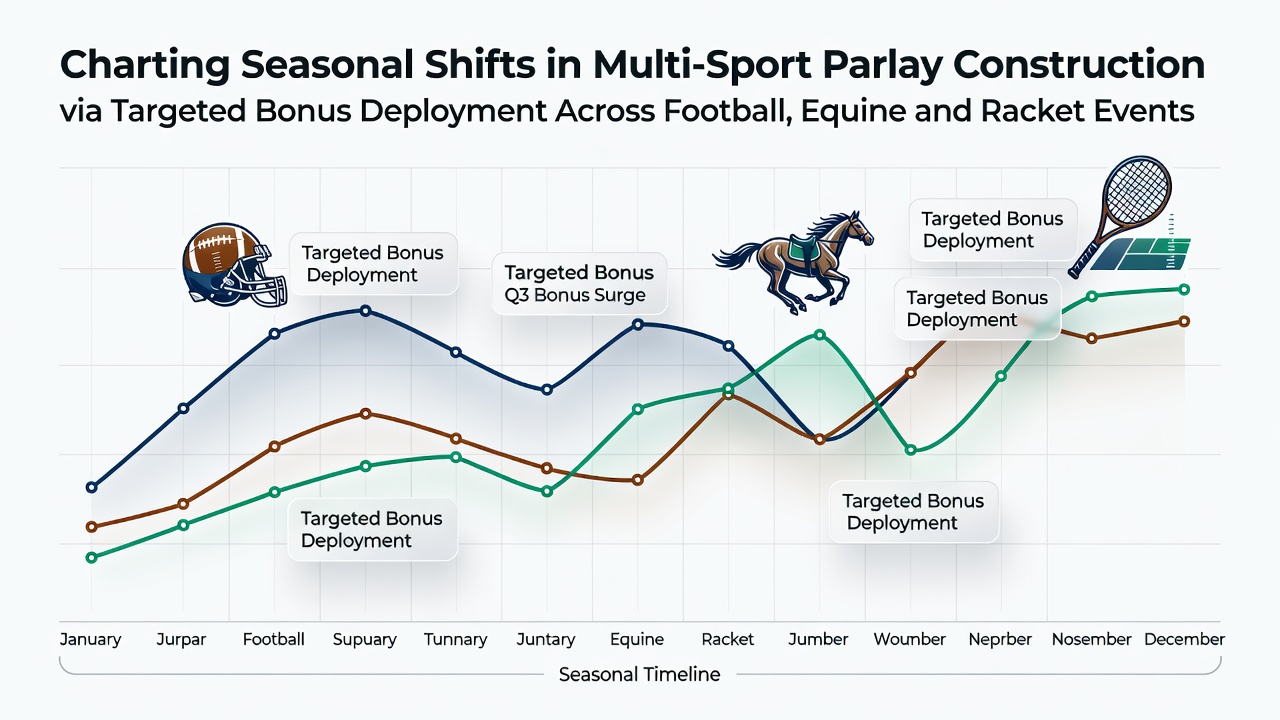
Observers note that seasonal patterns shape how bettors construct accumulators across football, horse racing, and tennis while deploying bonuses at specific points in the calendar, and data from multiple jurisdictions illustrates these shifts through volume changes and payout distributions. Researchers tracking activity from 2024 through mid-2026 recorded distinct peaks during major tournaments and fixture lists, whereas quieter periods saw increased reliance on cross-sport combinations to maintain engagement.
Football Seasons and Early-Year Momentum
Football calendars drive initial accumulator builds in the first half of each year, with European leagues resuming after winter breaks and bonus offers often tied to matchweek promotions. Figures from the New Jersey Division of Gaming Enforcement show elevated handle in January and February when combined bets linking domestic cups with international qualifiers appear more frequently, and operators report higher redemption rates for deposit matches during these windows. Bettors frequently pair early-season underdogs in accumulator legs with later tennis or racing selections once those sports enter their peak schedules.
Equine Events and Spring Transitions
Horse racing fixtures intensify from March onward, prompting shifts toward equine-focused legs within multi-sport parlays, and targeted bonuses such as free bets on festival meetings encourage inclusion of these outcomes. Industry reports compiled by the Australian Communications and Media Authority indicate that spring carnival periods generate measurable upticks in accumulator complexity, with participants adding one or two racing results to existing football or tennis selections. This approach spreads risk while capitalizing on promotional credits that reset at the start of each major meeting.
Racket Sport Integration and Summer Adjustments
Tennis grand slams and ATP/WTA swings create opportunities for racket-event legs during the northern hemisphere summer, and July 2026 aligns with several high-profile tournaments that overlap with ongoing horse racing meets in Europe and North America. Those constructing parlays often insert live or pre-match tennis selections into chains that already contain football or equine results, particularly when bonus funds carry wagering requirements that favor higher-odds combinations. Data indicates that participants adjust stake allocation during these months to account for variable court conditions and player form cycles that differ from the more predictable league structures of football.
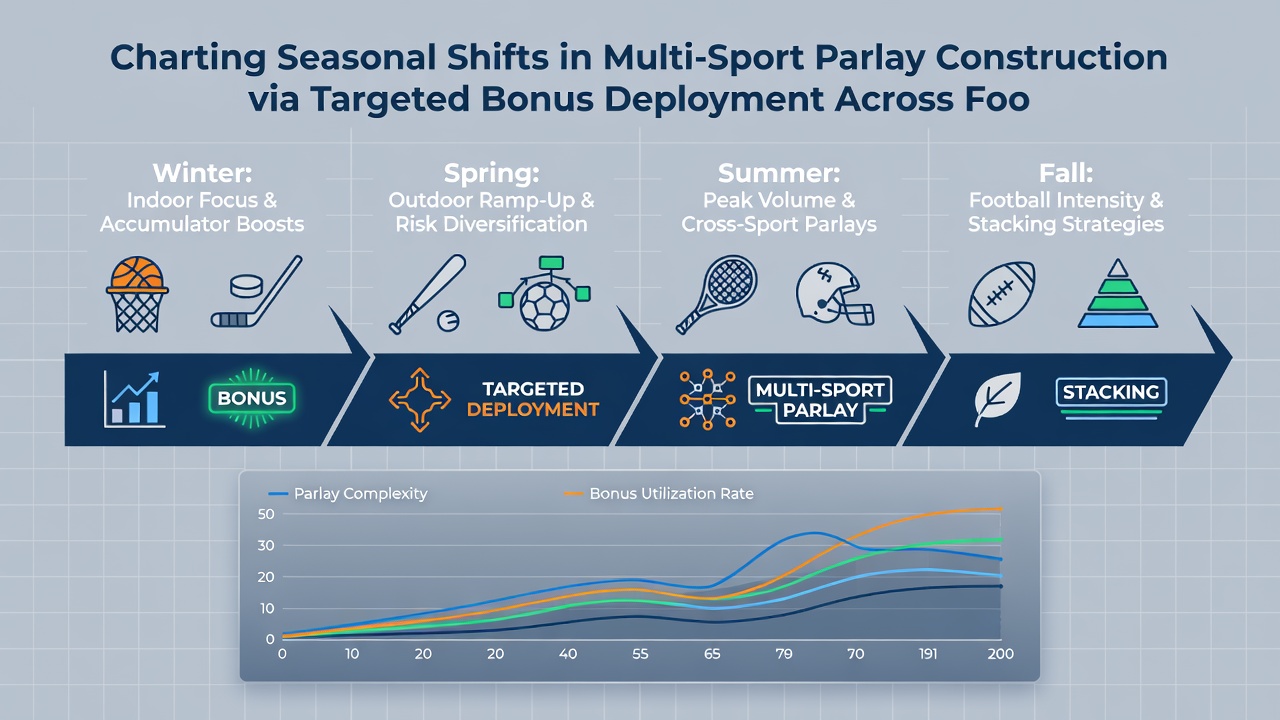
Bonus deployment becomes more surgical at this stage, with operators releasing time-limited credits that must be applied before specific expiry dates tied to tournament finals. Observers have documented cases where bettors chain a football accumulator win into a tennis leg using remaining promotional balance, thereby extending play across disciplines without additional deposits.
Cross-Sport Bonus Timing and Risk Distribution
Studies from academic sources such as the University of Nevada, Las Vegas International Gaming Institute reveal that bonus utilization rates climb when seasonal calendars allow staggered event starts, allowing one sport's conclusion to feed capital into the next. This sequencing reduces simultaneous exposure while satisfying playthrough conditions attached to welcome offers or reload promotions. Participants who monitor fixture overlaps tend to favor three-leg or four-leg accumulators that rotate sports according to availability rather than concentrating on a single category.
Data Patterns Through Mid-2026
Records compiled through the first half of 2026 demonstrate that accumulator ticket volumes incorporating all three categories rise notably when bonuses coincide with overlapping schedules, and payout ratios reflect the added variance introduced by mixing football, equine, and tennis outcomes. Regulatory summaries from Canadian provincial gaming authorities note that such mixed-sport activity accounts for a growing share of remote betting handle during transitional months, especially when operators structure incentives around multi-leg requirements.
Conclusion
Patterns emerging from available datasets illustrate how calendar-driven availability, combined with precisely timed bonus deployment, influences the construction of multi-sport accumulators across football, horse racing, and tennis. Those monitoring these cycles continue to observe measurable adjustments in leg selection and stake sizing that align with fixture density and promotional calendars rather than static preferences for any single sport.