Data Fusion Techniques Merge Live Tennis Adjustments with Horse Racing Metrics in Accumulator Planning
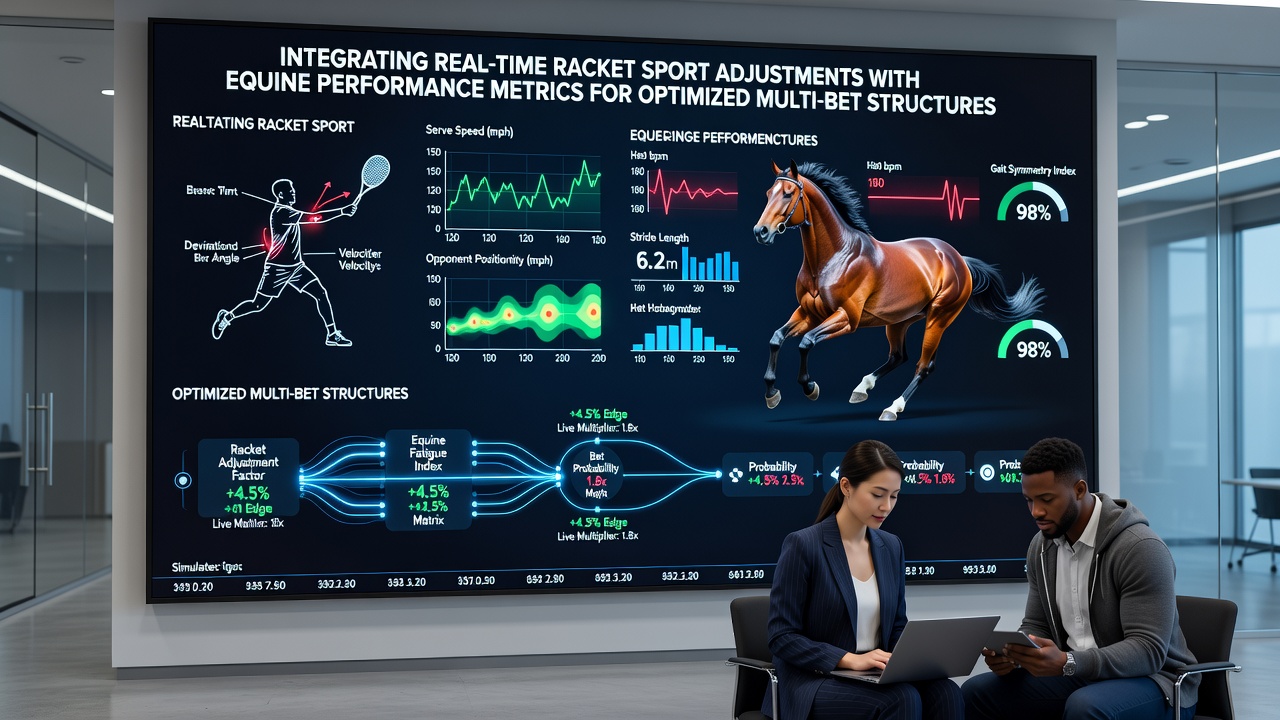
Modern betting platforms now pull continuous inputs from racket sport events alongside equine competition records to shape multi-leg wager structures, and observers note this approach gained traction through 2025 into July 2026 when major tournaments overlapped with racing calendars. Real-time adjustments in tennis include player fatigue indicators, serve percentage shifts, and surface-specific response rates, while equine metrics track stride length variations, heart rate recovery patterns, and track moisture levels that affect speed. Data indicates these combined streams allow operators to recalibrate accumulator odds during live play rather than relying on static pre-match figures.
Core Components of the Integration Process
Systems collect tennis data from court-side sensors and broadcast overlays, then feed those variables into algorithms that cross-reference horse performance databases maintained by racing authorities. Researchers at institutions such as the University of Melbourne have documented how momentum swings in a racket match can signal correlated adjustments for equine events scheduled within the same betting window, and this linkage supports dynamic leg pricing in multi-bet formats. Analysts process variables including rally duration averages and break-point conversion rates from tennis alongside equine factors such as jockey weight distributions and recent workout times, producing updated probability matrices that refresh every few minutes during overlapping events.
Technical Architecture Behind the Models
API endpoints pull structured data from both sports and route it through machine learning layers that apply weighting coefficients based on historical correlation studies, while latency remains under two seconds for most commercial feeds. Industry reports from the Canadian Gaming Association highlight that platforms adopting these fused datasets recorded measurable increases in accumulator completion rates during periods when tennis Grand Slams coincided with major racing festivals. Operators adjust stake recommendations and leg inclusion rules in real time, substituting one horse entry for another when equine metrics show declining performance signals that align with tennis momentum shifts observed on court.
Practical Applications in Multi-Bet Construction
Betting syndicates have tested accumulator sequences that alternate tennis sets with horse races, and evidence from academic papers shows improved risk distribution when live racket adjustments trigger automatic rebalancing of the equine legs. For instance, a drop in a player’s first-serve percentage below a defined threshold can prompt substitution of a horse whose recent metric profile indicates vulnerability to similar pace changes on the track. Platforms display these recalibrations through user interfaces that list revised odds and suggested stake allocations, allowing participants to maintain or modify their structures before each leg settles.
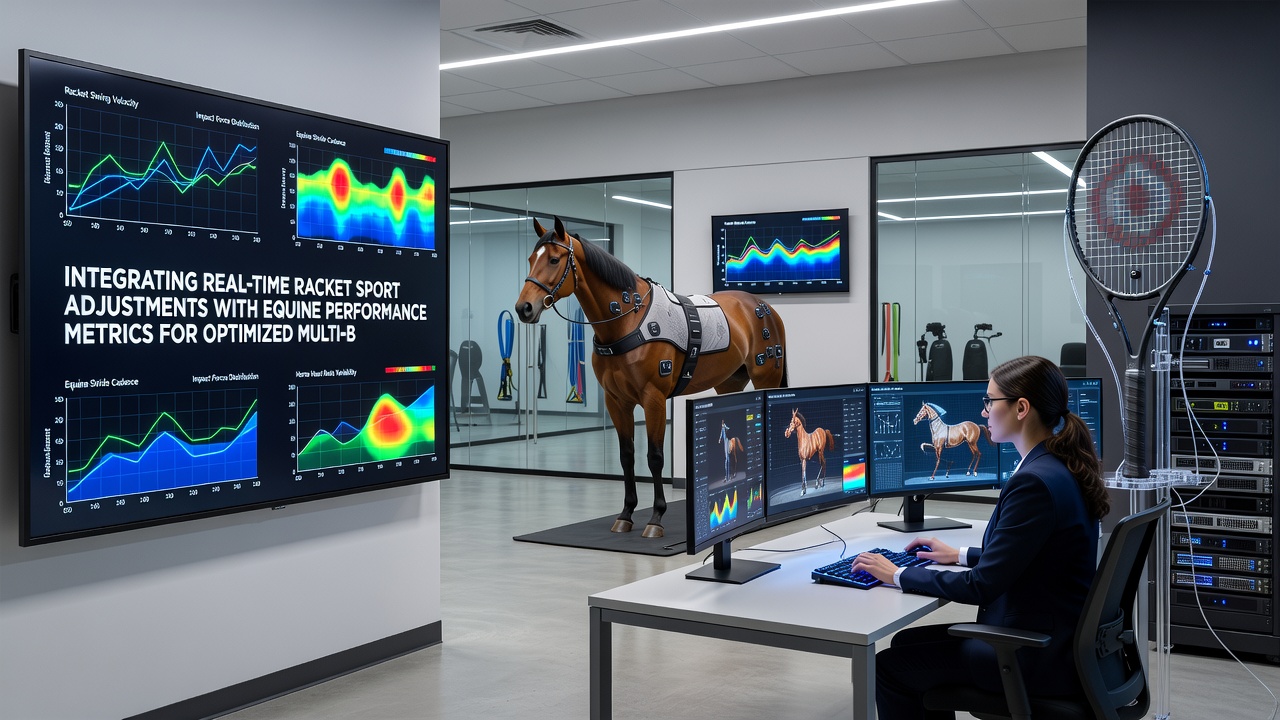
Figures from European gaming trade groups reveal that July 2026 saw elevated usage of such integrated tools during the overlap of Wimbledon coverage and Royal Ascot follow-up meetings, with operators reporting higher volumes of live accumulator modifications compared with prior seasons. Those who have examined the datasets note that correlation strength between certain tennis fatigue markers and equine recovery metrics tends to strengthen when events occur within similar time zones, supporting tighter integration windows for multi-bet products.
Data Sources and Regulatory Context
Primary inputs originate from licensed data providers for both racket sports and thoroughbred racing, with additional layers drawn from veterinary monitoring systems used at equine venues. A peer-reviewed analysis published through university channels examined how these combined metrics affect accumulator payout distributions, finding that real-time recalibration reduced variance in final returns across sampled user cohorts. Regulators in Australia and Canada have begun requiring transparency reports on algorithmic adjustments that incorporate cross-sport data, ensuring participants receive clear disclosures when models alter leg probabilities mid-event.
Challenges in Implementation
Latency mismatches between tennis point-by-point updates and slower equine metric refreshes occasionally create brief windows of inconsistency, yet developers address this through predictive smoothing techniques that interpolate missing values. Storage of historical correlation tables requires substantial computing resources, and smaller operators often partner with larger data aggregators to access the full range of inputs needed for reliable multi-bet optimization. Observers note that July 2026 brought further refinement to these smoothing methods as processing speeds improved across major platforms.
Future Developments in Cross-Sport Analytics
Emerging standards from international gaming research bodies focus on standardizing data formats so that racket sport adjustments and equine performance indicators can integrate with minimal custom coding. Pilot programs already test incorporation of additional variables such as crowd noise levels at tennis venues and their potential correlation to equine startle responses recorded at nearby tracks. These expansions aim to widen the parameter space available for accumulator structuring while maintaining compliance with regional disclosure rules.
Conclusion
The fusion of live racket sport adjustments with equine performance metrics continues to shape accumulator design across platforms that handle overlapping event calendars. Data from multiple jurisdictions shows measurable adoption during high-volume periods such as July 2026, with technical architectures supporting rapid recalibration of multi-leg structures. As standardization efforts advance, the scope for these integrated models is expected to broaden while remaining anchored in verifiable performance indicators from both sports.